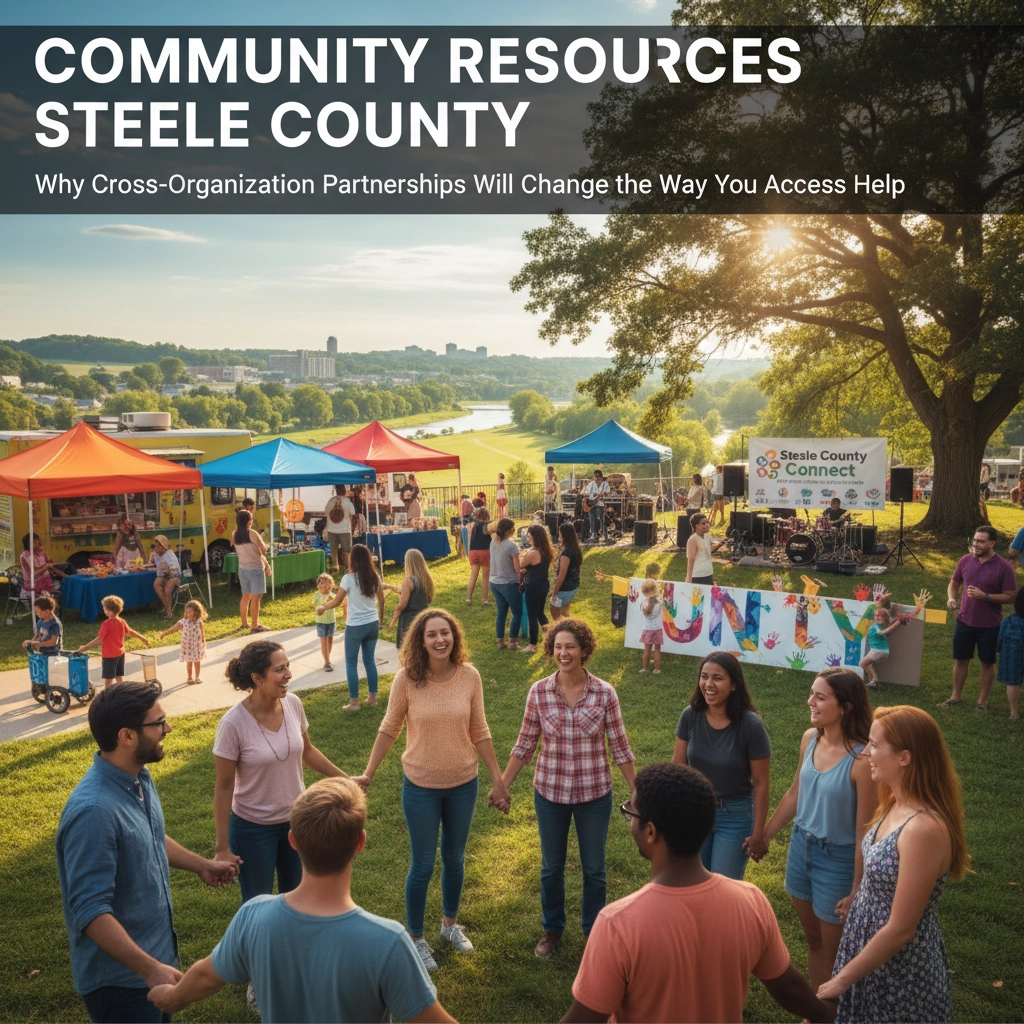
Remember the last time you needed help navigating a complex problem? Maybe you were looking for job training, struggling with food insecurity, or trying to find affordable healthcare. If you're like most people, you probably spent hours making phone calls, filling out paperwork, and getting bounced from one organization to another.
Those days are becoming a thing of the past in Steele County, thanks to a revolutionary approach that's transforming how our community delivers support. Cross-organization partnerships are creating a seamless web of services that puts people first: and it's changing everything about how residents access the help they need.
The Old Way vs. The New Way
For too long, community services operated like individual islands. If you needed employment assistance, you'd call one place. Housing help? That's a different number. Food support? Yet another organization. Each had its own intake process, eligibility requirements, and waiting lists. People in crisis often felt like they were running a marathon just to get basic needs met.
But here's what we've discovered in Steele County: when organizations work together instead of separately, magic happens. Instead of forcing people to navigate a maze of disconnected services, we've created a coordinated ecosystem where getting help feels more like having a conversation with neighbors who genuinely care.
United Way of Steele County: The Hub That Makes It All Work
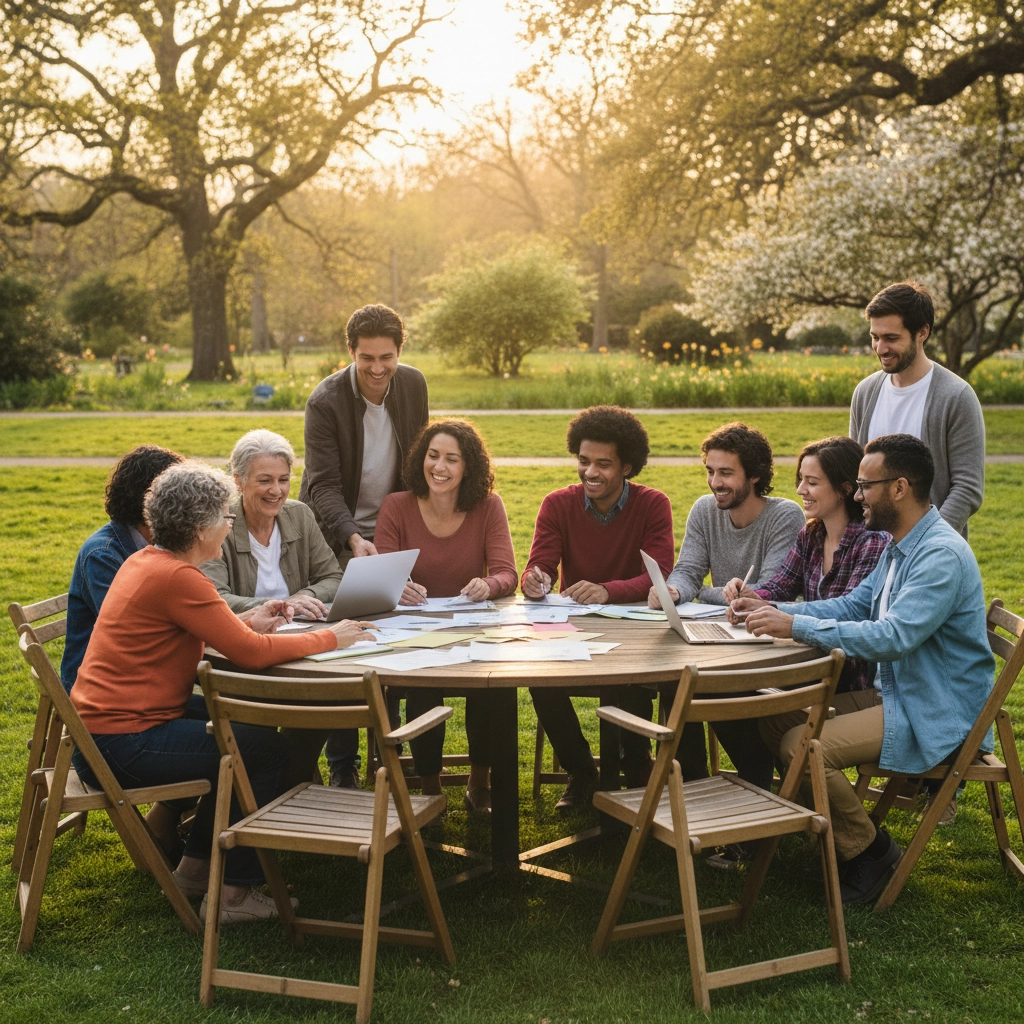
At the center of this transformation sits United Way of Steele County, serving as the coordinating hub for over a dozen specialized organizations. Think of us as the conductor of an orchestra: each organization plays their own instrument beautifully, but together we create something much more powerful than any single melody.
Our partner network includes HealthFinders Collaborative, Community Pathways, Workforce Development, Inc., SEMCAC, Transitional Housing, and many others. What makes this partnership special isn't just the number of organizations involved: it's how we've aligned our missions around a shared goal: addressing critical needs, fostering equity, and empowering individuals for lasting change.
This means when someone reaches out for help, they're not just connecting with one agency. They're gaining access to an entire support system designed to work together seamlessly.
Breaking Down the Silos That Hold People Back
Here's where partnerships get really exciting: they eliminate the artificial boundaries that used to separate services. We've learned that people's challenges don't fit neatly into categories, so why should our solutions?
Consider Maria (not her real name), a single mother who recently lost her job. In the old system, she would have made separate appointments with:
- WDI for career counseling and job training
- SEMCAC for energy assistance
- Transitional Housing of Steele County for eviction prevention
- Community Pathways for professional clothing and food support
Now? These organizations coordinate her support from day one. While she's working with WDI on job skills, they're already connecting her with SEMCAC for immediate financial assistance and Transitional Housing to prevent any housing crisis. Community Pathways ensures she has appropriate interview attire before her first job meeting even happens and food on the table while she awaits her first paycheck.
Project Community Connect: Partnerships in Action
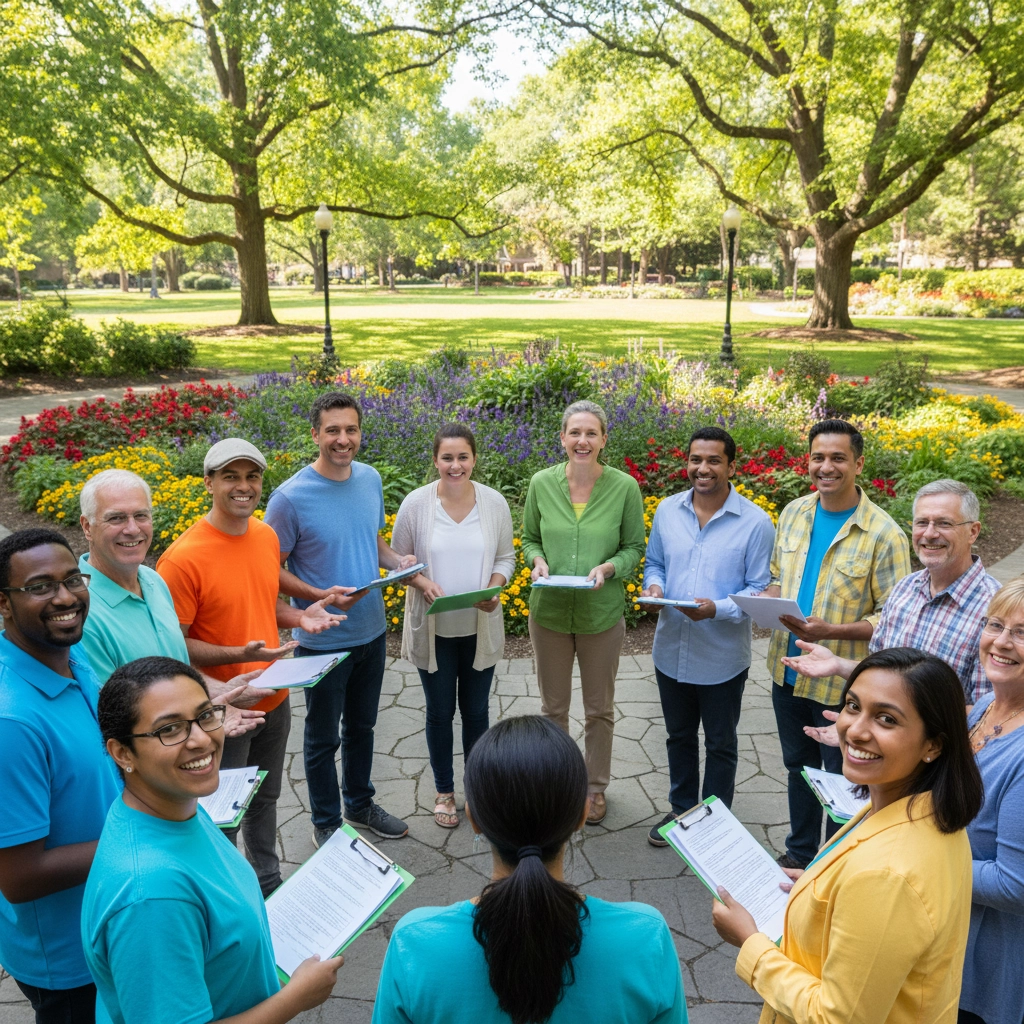
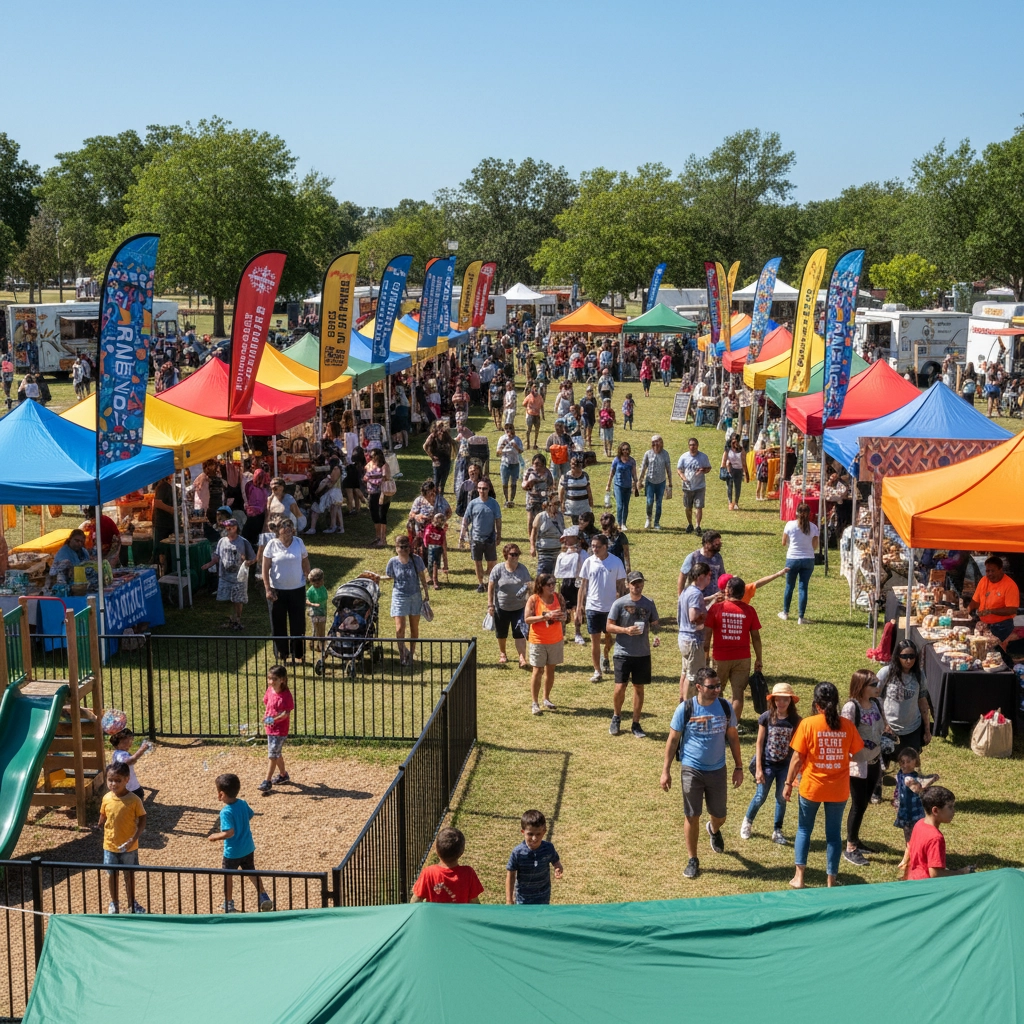
One of our most successful examples of cross-organization collaboration is Project Community Connect. This isn't just another resource fair: it's a coordinated effort that brings together service providers, eliminates information barriers, and allows people to discover comprehensive support in one place.
The beauty of Project Community Connect lies in its coordination. Rather than having separate booths where organizations compete for attention, collaborative spaces where providers work together to understand each person's unique situation and develop comprehensive support plans on the spot, are created.
The Community Services Coordination team actively facilitates these connections, ensuring that no one leaves without understanding their options and having clear next steps. This approach transforms what used to be overwhelming information-gathering into empowering relationship-building.
Real Impact: How Partnerships Expand Access
The numbers tell an incredible story about what's possible when organizations collaborate effectively. Through our coordinated approach, Steele County residents can now access an impressive range of services:
Health and Wellness:
- Primary care and dental health through HealthFinders Collaborative and Let's Smile
- Mental health support through various specialized providers
- Memory support for seniors through innovative programs like Neighbor to Neighbor, through Healthy Seniors.
Economic Stability:
- Comprehensive employment services from job training to placement
- Financial assistance programs that address everything from energy bills to car repairs
- Emergency financial support through coordinated rapid response systems
Family Support:
- Childcare services that connect with employment programs
- Youth development programs that engage entire families
- Senior services that recognize the interconnected nature of family support
The Financial Efficiency That Changes Everything
Here's something that might surprise you: partnerships don't just improve services: they make every dollar work harder. Through United Way of Steele County's coordination, no more than 19% of funds go to administrative and fundraising costs. That means when community members contribute $5-$25 per week through our campaign, they can trust that the vast majority reaches actual service delivery.
This efficiency emerges from shared resources, coordinated fundraising, and elimination of duplicate services. When organizations work together, they can focus their energy on what they do best rather than recreating services that already exist elsewhere in the community.
Looking Forward: The Future of Community Support
The partnership model we've developed in Steele County isn't just about improving current services: it's about building a foundation for community resilience that can adapt to changing needs. As we look toward the future, we see exciting opportunities for even deeper collaboration.

Most importantly, we're listening to community feedback about how partnerships can evolve to serve people even better.
Why This Matters for Every Steele County Resident
Even if you never need direct services, the partnership approach benefits our entire community. When people can access coordinated support quickly and effectively, they're more likely to achieve stability and become contributors to our local economy. When organizations collaborate rather than compete, they can serve more people with existing resources.
This creates a positive cycle: stronger individuals build stronger families, which create stronger communities, which attract new opportunities for everyone. It's not just about helping people in crisis: it's about building the kind of community where everyone has the opportunity to thrive.
Getting Connected: Your Next Steps
Ready to see how cross-organization partnerships can make a difference in your life or the life of someone you care about? The beauty of our coordinated system is that there's no wrong door to start with.
You can contact United Way of Steele County directly, and we'll help connect you with the right combination of services. You can attend Project Community Connect events to explore options in person. Or you can reach out to any of our partner organizations: they're all equipped to help you navigate the full range of available support.
The era of disconnected, hard-to-access community services is ending in Steele County. In its place, we're building something better: a coordinated, compassionate community support system that puts people first and makes getting help feel like coming home.
Because at the end of the day, that's what partnerships are really about: creating a community where no one has to face challenges alone, and where getting help feels like what it should be: neighbors taking care of neighbors.